 Uncategorized
Top generators for domain names expected in 2026.
It uses AI to suggest name ideas based on your input and checks domain availability and ainame24 blog social media handle availability for every name you explore. You can use a brand name generator to find a suitable and meaningful name quickly. Namify’s brand name generator uses AI to suggest unique and relevant names based on your input.
You provide input – the system interprets it, generates multiple directions, filters, and refines the results. Below are the best AI-powered domain name generators for startups in 2026, ranked by creativity, usability, branding depth, and overall value. In 2026, AI-powered domain name generators have evolved far beyond simple keyword mashups – they now understand branding context, linguistic patterns, and availability across hundreds of extensions in real time. Six domain name generators, tested on the same briefs. Instant Domain Search is the tool I’d pick when domain availability matters as much as the name itself.
Once you provide the necessary details, Ionos generates a list of potential domain names that align with your input. Unlike other similar tools, Ionos takes a unique approach by asking you to describe your project or business idea in detail. Ionos is an AI-powered domain name generator designed to help you find the perfect domain for your business or brand. Namelix is an AI-powered business and domain name generator offering extra benefits for searching AI domains. BrandCrowd is a popular choice among freelancers and small businesses that want a fast and affordable way to create a cohesive brand and secure a domain. BrandCrowd’s domain name generator helps you discover available domain names while building your brand at the same time.
Everything you need at no extra cost.
A free domain check finds names that are unregistered and available for standard registration pricing (typically $9–$21/year for .com). The post-generation experience determines how much friction stands between a chosen name and a registered, operational brand. With hundreds of candidates, filtering and ranking tools determine what users actually evaluate. These scores help users prioritize a shortlist from hundreds of candidates.
So if the input leans premium, the suggestions tend to reflect that. They pick up on meaning, not just keywords. That extra context matters more than people expect. A vague input like “fitness app” might give you broad ideas. They don’t just attach prefixes or swap words around. The difference shows up pretty quickly in the kind of names you get back.
A few tools send you elsewhere to complete the purchase, but it’s still a quick hop. The better ones don’t just glue words together; they try to match tone, intent, even a bit of brand feel. That shift matters, especially when timelines are tight and competition is high. That second part still matters more than people think. Both approaches have their place. A name that’s too narrow can limit growth.
Shopify is the obvious first choice if you are launching an online store, especially if the name needs to work as a product or category brand. Choose LOGO.com if you want name ideas plus quick logo exploration. LOGO.com is useful when naming is only the first step toward a quick identity package. It connects naming to a legal-services ecosystem, which can be helpful for formation-minded users but risky if you mistake the generator for legal clearance. Compare renewal costs, privacy, email and add-on pricing before buying. Recent hosting reviews highlight that renewal pricing and plan length can be confusing, so calculate total cost beyond the initial promotional period.
This approach has clear advantages. The lists cover the “I don’t have a keyword, what’s available right now” workflow. If you’re still in early exploration and you don’t know what you want yet, start with our generator and the curated lists of available names. The domain name generator space has gotten meaningfully more useful in 2026.
It is not the right fit if your domain, hosting and site platform are already chosen elsewhere. That is fine for Wix users but limiting if you want vendor-neutral naming. The cost question is not the name generator; it is whether Wix’s site, domain and renewal pricing fit your business over the next year. It is strongest if you already expect Wix to be the website platform. Local service businesses and solo founders often want to move from name to website in one afternoon.
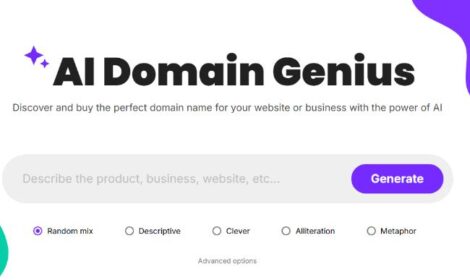
If you need logo files, social templates and brand assets, compare Looka’s package cost against alternatives before checkout. It would work best for a counseling service, wellbeing platform, care program, or guided support product. (Based on insights from Namify’s primary survey of 303 US-based respondents.) A care or support brand should sound approachable before it sounds clever. Use prompt inputs such as “memorable brand name,” “a brand name people will love,” or “catchy product names” to generate options. Use prompt inputs such as “brandable business name,” “modern product name,” or “premium brand name” to generate options. Try prompt inputs such as “premium brand name,” “elevated lifestyle brand name,” or “refined brand name,” then use style and tone filters to shape the results.
All platform reviews and domain strategies are based on hands-on testing, real domain acquisitions, and actual brand launches across multiple startup verticals. By utilizing the best AI tool for website design, you can input your new domain, upload your AI-generated logo, and have a fully responsive, SEO-optimized website live in under 10 minutes. Tools like Namechk can verify all major platforms in one search. Brand consistency across platforms is critical for recognition. For local businesses, country-code TLDs (.in, .uk, .de) boost local SEO significantly. The AI parses your input keywords, industry context, and brand attributes to understand semantic meaning—not just literal matching.
Suggestions for Domains
Domain names don’t have spaces or capitalization in the address bar, which means words can blend together in unexpected ways. They’re hard to communicate verbally (people won’t know whether to type “3” or “three”), and they make your domain harder to remember overall. That said, don’t force keywords in at the expense of readability or brandability. While . com is the default for most businesses, niche TLDs like . shop, . tech, or . blog can work well if they match what your business does. The shorter and simpler your domain, the more likely people are to type it in correctly the first time. Here are a few things worth keeping in mind to pick the right domain name.
